
![]() |
![]() |
![]() |
|||||
|
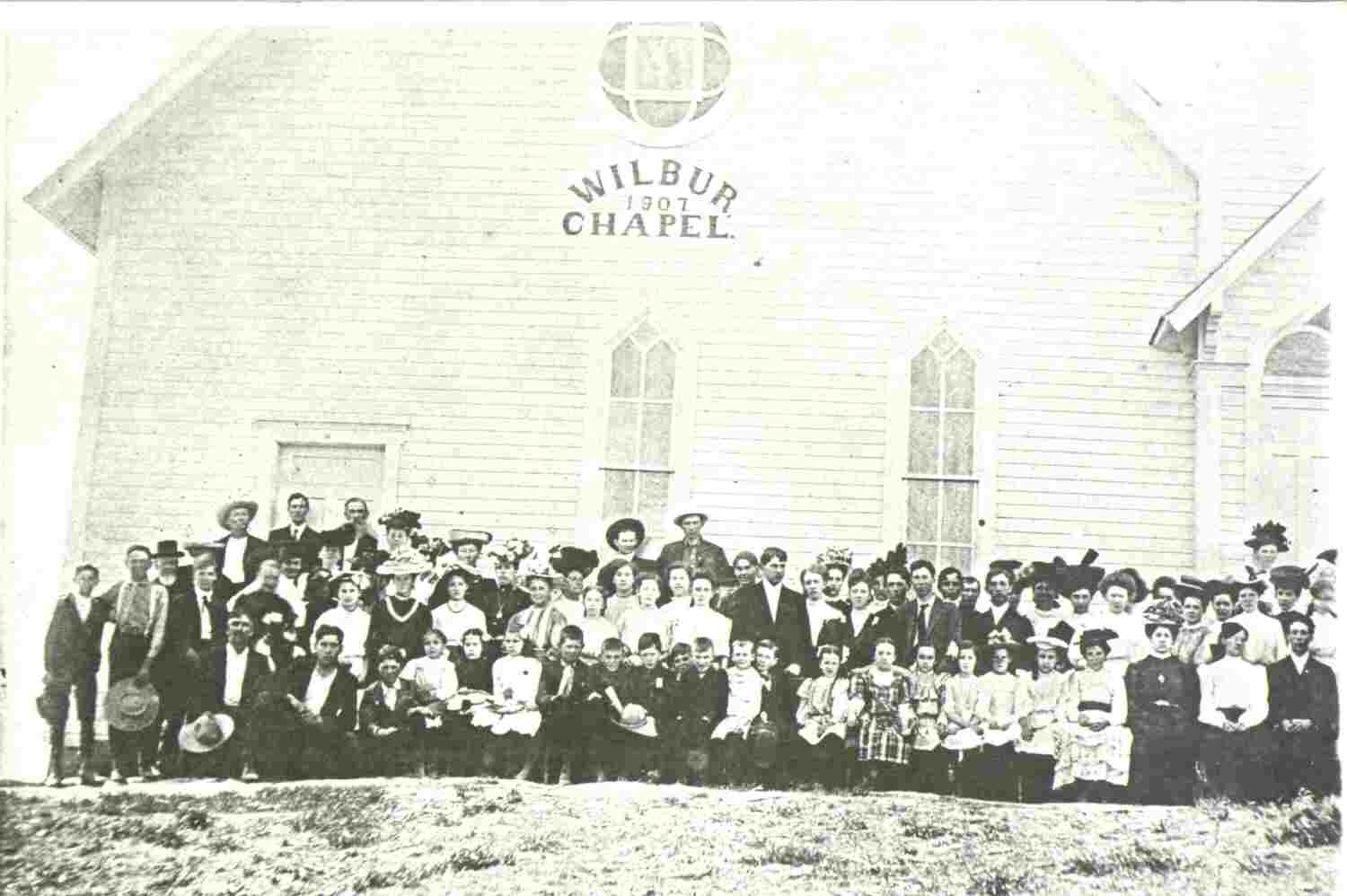
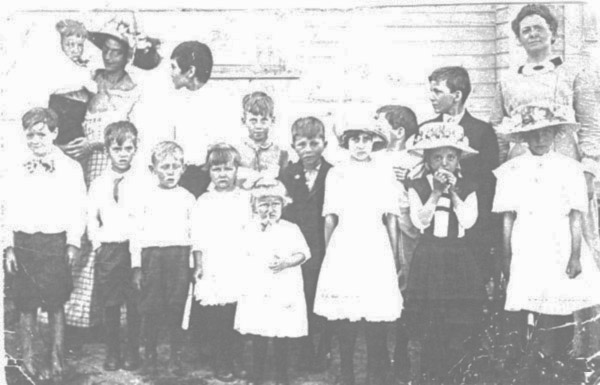
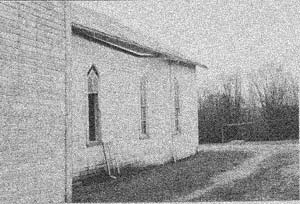
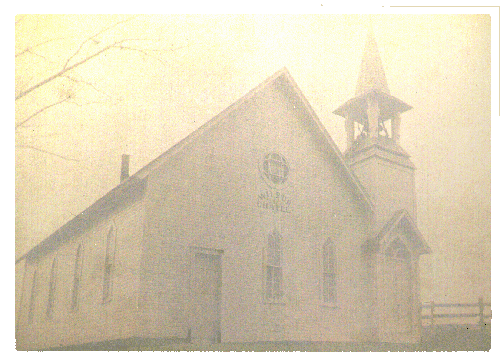
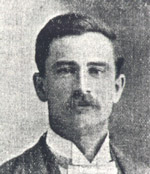
WILBUR CHAPEL The Wilbur Chapel was built in 1907 and dedicated in 1908. Prior to the building of this building, services are said to have been held in, among other places, the log house of the Bower Davis family. This church was established as a Church of United Brethren in Christ. In 1946 this denomination was merged with the Evangelical Church resulting in the Evangelical United Brethren. It remained thus until 1968, when the EUB merged with the Methodist Church resulting in the present United Methodist denomination. The first known minister of the Wilbur Chapel was Rev. F. G. Radabaugh, who is known to have ministered the Chapel congregation as early as 1903. Other ministers have been: Carter, Combs, Balman, Lydic, Collins, Crew, Ray, Roush, Armentrout, Crawford, Smearman, Tenny, Flynn, Weese and Baker.
|
|||||||
![]() |
Rev. F. G. Radabaugh - January 1, 1903 |
||||||
|
|
|||||||
(Click photo to enlarge)
|
|
||||||
|
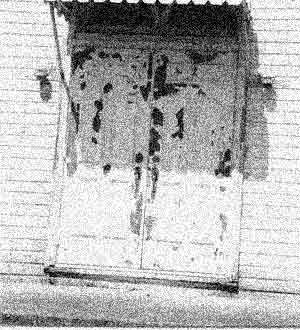
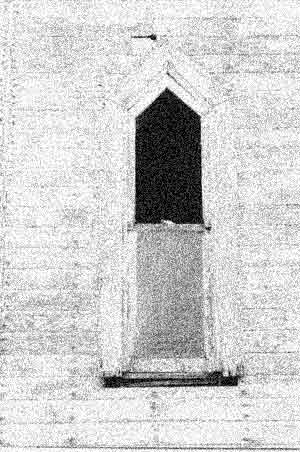
The Chapel has not had regular services since sometime in the mid-1980's, when the number of attendees could no longer support the church financially. On many Sundays there would be only four or five faithful who would attend, in contrast to the one hundred and eleven who were listed as members in 1924. At the time of the closure, the Methodist Conference was going to assume ownership of the Chapel, but Howard M. Weekley purchased the building and deeded it to the people of Wilbur. Now, having stood for almost twenty years with only erratic use, it has fallen into disrepair, and without the people or resources to repair it, seems doomed to devastation as it approaches its' one hundredth year. So, after having been one of the centers of social activity in Wilbur since the beginning of the twentieth century, the Chapel has fallen prey to the dwindling population of the area. At the church that was filled with people grieving for loved ones, from elderly to children, who had come to their final resting place in the cemetery bordering it; filled with people who were there for the lively revivals and for "dinner on the ground"; filled with worshipers whose joyous singing could be heard echoing through the hills and valleys surrounding it, the solitary sound is the whispering of the wind through the broken windows. But if you listen closely, you may still hear, on that breeze, the faint sounds of years gone by. |

Home History Cemetery Post Office Businesses Community Building